Your kid’s dentist just said the word “braces.” Or maybe you’re 42, you’ve dodged smiling in photos for years, and you’re finally ready. Either way, the next question shows up fast: which kind?
Search online and you’ll find a dozen options, a pile of big promises, and very few straight answers. That’s frustrating when it’s your child’s smile, or your own money, on the line.
This guide walks through the types of braces New Orleans families can get at Scaffidi Orthodontics. You’ll see how metal vs ceramic braces compare, which options tend to fit adults best, and the one factor that matters more than any bracket you pick.
Key Takeaways
- Scaffidi Orthodontics offers three main styles of fixed braces: traditional metal, clear ceramic, and In-Ovation self-ligating braces, including a ceramic version.
- Metal braces are the toughest choice and handle the biggest corrections. Clear ceramic braces blend in but cost more and are more fragile.
- Self-ligating braces skip the elastic ties, so they’re easier to clean and have no ties to stain.
- Research shows bracket type alone doesn’t decide how long treatment takes. The treatment plan does.
- Clear aligners are a separate option. They’re removable trays, not braces.
- One orthodontist, Dr. Scaffidi, plans and checks every case at all three offices in Kenner, Lakeview, and Slidell.

What Every Type of Braces Has in Common
All braces work the same basic way. Small brackets bond to the front of each tooth. A thin wire runs through them and puts steady, gentle pressure on your teeth to guide them into place over time.
That’s the whole idea. The differences come down to what the brackets are made of, how the wire is held in, and how they look when you smile.
Dr. Scaffidi says it plainly: “Orthodontics is engineering of tooth movement.”
Dr. David Scaffidi built a full career as a civil engineer before he ever went to dental school. So before a single bracket goes on, he’s already thinking about force, timing, and how each tooth will respond.
Metal Braces: The Workhorse Option
When most people picture braces, this is what they see. Traditional metal braces use metal brackets and a metal wire to move teeth. Today’s versions are lighter and more comfortable than the ones many parents remember.
Kids love picking new tie colors at each visit. Black and gold during Saints season? Always a crowd favorite.
Who Metal Braces Fit Best
Metal is the strongest bracket material. That makes it the go-to for bigger corrections, crowded teeth, and bite problems that need more force. It’s also a smart pick for active kids and teens who aren’t always gentle with their braces.
Metal braces also cost less than ceramic brackets. For families watching the budget, that counts.
Clear Braces: Less Noticeable, Same Basic Job
Clear ceramic braces work just like metal ones. The difference is the brackets, which are made from a tooth-colored ceramic that blends in with your teeth. Paired with clear or white ties and wires, they’re much harder to spot from across the room.
Are they invisible? No. But in a work meeting or a school photo, most people won’t notice them.
The Trade-Offs Worth Knowing
Ceramic is more fragile than metal. It’s more likely to chip or crack, so it isn’t always the best fit for big corrections or younger kids. Ceramic brackets also cost more at our practice.
What about stains? The brackets themselves don’t stain, but the clear elastic ties can pick up color from coffee, tea, red wine, or a heavy hand with Creole mustard. Good news: those ties get swapped out at each adjustment visit.
Looking for a clear braces orthodontist Kenner families can reach without a long drive? Our office on West Esplanade offers ceramic braces, and so do our Lakeview and Slidell offices.
Metal vs Ceramic Braces vs Self-Ligating: Side by Side
Here’s how the main options stack up. Use it as a starting point, not a final answer, because your exam decides what fits your mouth.
| Metal Braces | Clear Ceramic Braces | In-Ovation Self-Ligating | In-Ovation C (Ceramic Self-Ligating) | |
|---|---|---|---|---|
| Look | Most visible; fun colored ties | Blends with teeth | Visible brackets, no ties | Blends with teeth, no ties |
| Wire held by | Elastic ties | Clear or white elastic ties | Built-in spring-loaded door | Built-in spring-loaded door |
| Staining | Not a concern | Ties can stain between visits | No ties to stain | No ties to stain |
| Durability | Strongest | Can chip or crack | Durable design | Ceramic can chip |
| Cost | Lowest of the fixed options | Higher than metal | Reviewed at your exam | Reviewed at your exam |
| Often a good fit for | Kids, teens, bigger corrections | Adults and older teens | Patients who want easier cleaning | Adults who want a subtle look without ties |
Self-Ligating Braces: No Ties Required
In-Ovation self-ligating braces look a lot like regular braces at first glance. The difference is a tiny spring-loaded door built into each bracket. That door holds the wire in place, so there are no elastic ties at all.
Why does that matter? Fewer parts mean fewer spots for food and plaque to hide. Brushing gets simpler, and there’s nothing to discolor.
The Tooth-Colored Version
In-Ovation C pairs the same self-ligating design with ceramic brackets. You get a subtle look without ties that can stain over time. For a lot of adults, that combo hits the sweet spot.
Do Self-Ligating Braces Work Faster? The Honest Answer
You’ll see plenty of ads promising “fast braces.” Dr. Scaffidi doesn’t buy that pitch, and he won’t sell it to you either.
Here’s the thing: the research backs him up. A systematic review of bracket studies in the European Journal of Orthodontics found no proven speed benefit from self-ligating brackets over traditional ones. Bracket style can make treatment cleaner or more comfortable, but it doesn’t set the finish line.
So what does? The plan. How the forces are set up, how each tooth is expected to move, and how closely the doctor tracks progress at every visit.
That’s where an engineer’s mind earns its keep. Dr. Scaffidi plans force and timing with precision, and most of his cases finish on or ahead of the estimate he gives you at your first visit. Go ahead and plan the wedding, the senior photos, or the graduation around it.
Best Braces for Adults: What Matters Most After 30
Worried you’re too old for braces? You’re not alone, and you’re not too old. One patient in their 40s wrote that walking into an orthodontist’s office felt strange at first, but working with Dr. Scaffidi turned out to be a breeze.
For most adults, the best braces come down to three questions. How much do you care about how they look at work? How big is the correction? And how much time can you give to care at home?
Matching the Option to Your Life
If looks matter most, clear ceramic or In-Ovation C braces keep things low-key in client meetings and on video calls. Need a larger correction? Metal braces may get you there with fewer worries about breakage.
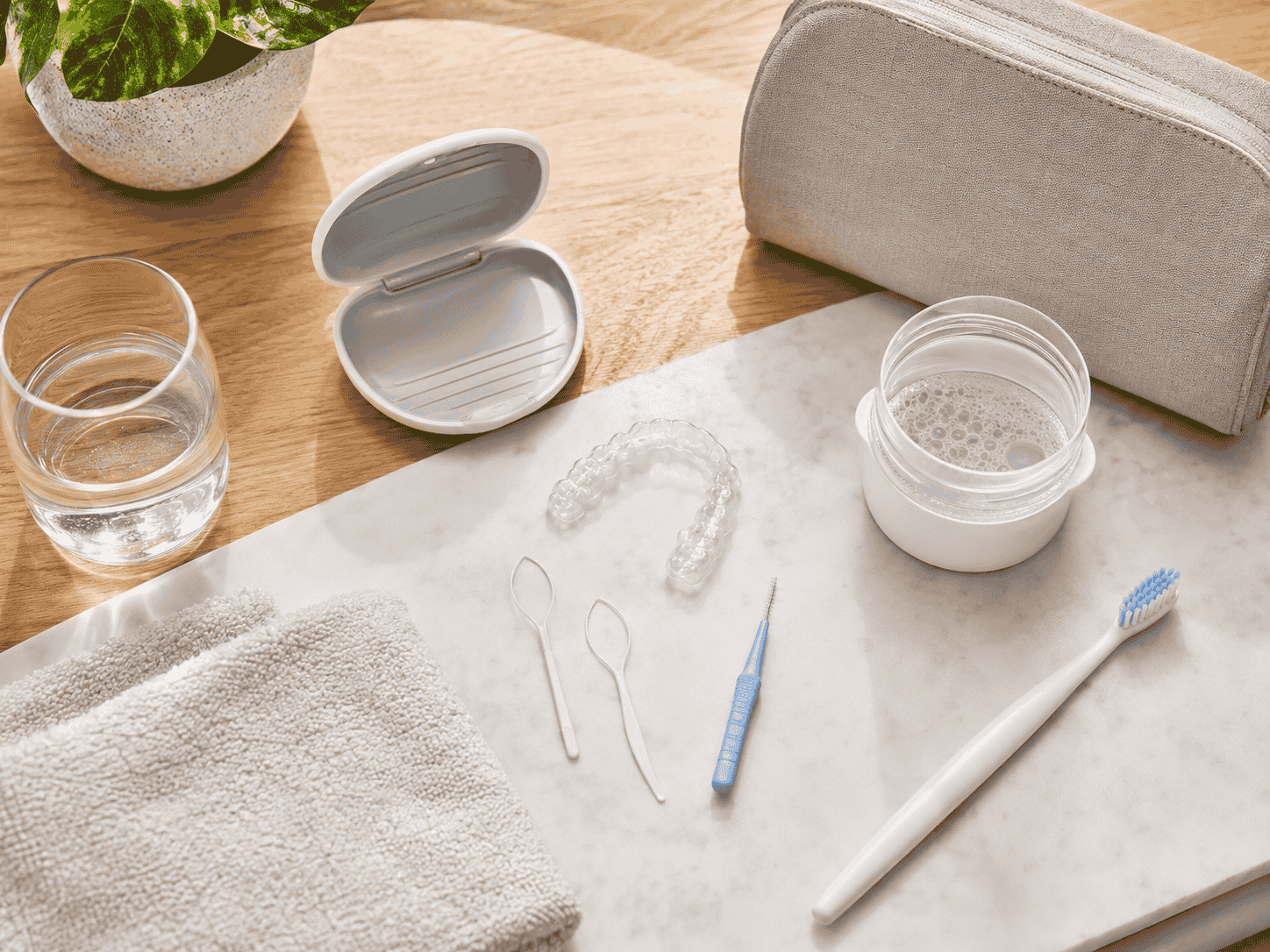
Not sure about fixed braces at all? Removable clear aligners are another path we can talk through. Just know aligners are plastic trays, not braces, and they only work when you wear them as directed.
Whatever you choose, adults get the same thing kids do here: one doctor, from your first visit to your last.
What Parents of Kids and Teens Should Know
Look, nobody wants their child in braces longer than needed. Parents tell us they worry most about overtreatment and about not knowing what’s going on in that chair. Both worries are fair.
Dr. Scaffidi treats to your goal, not just what a textbook calls ideal. When he can deliver a great smile and a comfortable bite without pulling teeth or adding extra years, that’s the plan.
Parents are welcome to sit chairside during visits, too. You’ll watch the work happen and hear why it’s being done, so you’ll never have to ask your kid, “What’d they do today?”
One Doctor, Three Offices, Both Sides of the Lake
This is a big decision, and you shouldn’t get handed off halfway through. At Scaffidi Orthodontics, one orthodontist sees you at every visit. Whether you go to Kenner, Lakeview, or Slidell, it’s Dr. Scaffidi.
That keeps the drive easy from Metairie, Harahan, River Ridge, Mid-City, and the North Shore. Appointments are scheduled to fit around school and work. And if a bracket pops loose, you don’t call a call center, because every patient gets his cell number.
Cost is flexible as well. Within reason, you choose your down payment and your monthly payment, so money doesn’t stand between your family and the smile you want.

Frequently Asked Questions
Q: What type of braces is best for adults in New Orleans?
A: There’s no single best type for every adult. Clear ceramic braces and ceramic self-ligating braces (In-Ovation C) are popular with adults who want a subtle look, while metal braces are often the better choice for larger corrections. At Scaffidi Orthodontics in Kenner, Lakeview, and Slidell, Dr. Scaffidi matches the option to your goals, your bite, and your schedule at your first visit.
Q: Are metal or ceramic braces more effective?
A: In most cases, metal and ceramic braces work about equally well. Ceramic is more fragile, so metal is usually the safer pick for big bite corrections or very active kids. The bigger factor is the treatment plan, which is why Dr. Scaffidi, a former civil engineer, maps out the forces on each tooth before treatment begins.
Q: Do self-ligating braces shorten treatment time?
A: Research has not shown that self-ligating braces finish treatment faster than traditional braces. Their main benefits are no elastic ties, simpler cleaning, and no ties to stain. Treatment time depends mostly on the plan and how closely it’s tracked, so Dr. Scaffidi gives every patient a timeline at the first visit.
Q: Are clear aligners a type of braces?
A: No. Clear aligners are removable plastic trays, while braces are brackets and wires fixed to your teeth. Scaffidi Orthodontics offers both, so you can compare them with Dr. Scaffidi during your visit and pick what fits your life.
Your Smile, Your Timeline, Your Call
Metal braces are strong and budget-friendly. Clear ceramic braces blend in. Self-ligating braces skip the ties and keep cleaning simple. Each one can get you to a great smile.
But here’s what matters: the brackets don’t set your finish date. The plan does, and so does the doctor behind it.
If you’re weighing the types of braces New Orleans orthodontists offer, start with a conversation. Call (504) 468-6200 to book a visit at our Kenner, Lakeview, or Slidell office. You’ll meet Dr. Scaffidi, see your options up close, and walk out with a timeline you can plan your life around.