Student athletes with braces need a mouth guard that accommodates brackets and wires without creating pressure points or gaps. Custom-fitted mouth guards, made from impressions of your teeth and braces, offer the best protection for both your teeth and your orthodontic appliance during contact sports.
Playing sports with braces adds a layer of responsibility that most athletes don’t think about until something goes wrong. A stray elbow in basketball, a collision on the soccer field, or a fall during gymnastics can damage brackets, bend wires, or cause serious soft tissue injuries — all of which set back your treatment and hurt your smile. The right mouth guard prevents that from happening.
Not every mouth guard works well with braces, though. Over-the-counter options are designed for straight teeth. Wearing the wrong one with metal braces can create gaps in coverage, put uncomfortable pressure on brackets, or shift wires you’ve spent months carefully adjusting. Choosing the right fit from the start protects your investment.
At Scaffidi Orthodontics, we help student athletes across New Orleans, Kenner, and Slidell find mouth guards that work with their braces, not against them. Here’s what you need to know before you buy.
Key Takeaways
- Braces create unique protection needs that standard mouth guards don’t address
- Custom-fitted mouth guards offer the best coverage, retention, and comfort for braces wearers
- Mouthguard users are between 82% and 93% less likely to suffer dental injuries during sports (Fernandes et al., Dental Traumatology, 2019)
- Mouth guards require regular cleaning, proper storage, and seasonal replacement
- Bring your mouth guard to every orthodontic checkup so Dr. Scaffidi can confirm it still fits correctly
Why Student Athletes with Braces Face a Higher Injury Risk
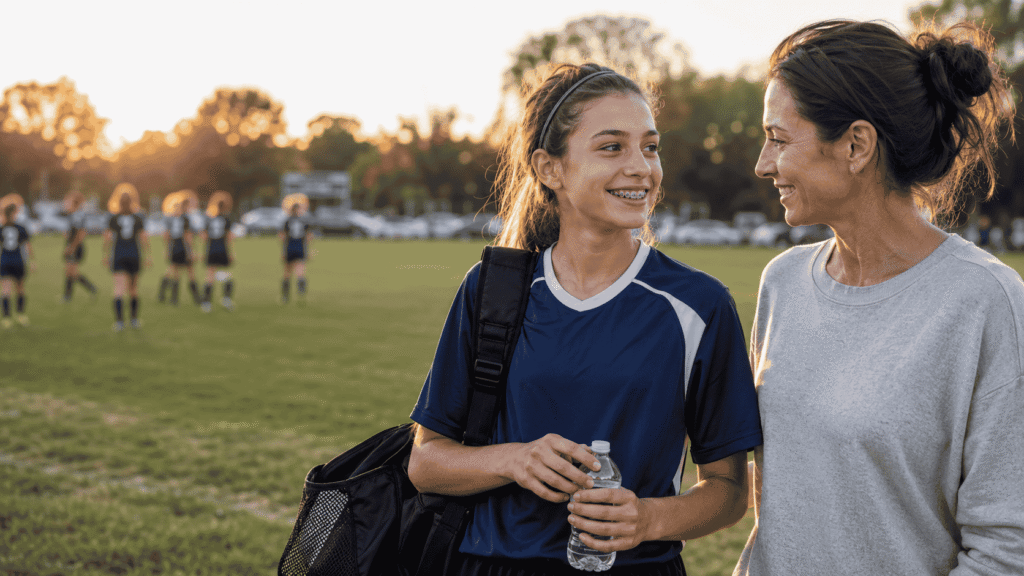
Brackets, wires, and bands create sharp protrusions inside your mouth. During impact, these components can lacerate your lips, gums, and cheeks — injuries that rarely happen to athletes without braces. That’s the mechanical reality of playing contact sports without a mouth guard when you’re in treatment.
The statistics on sports-related dental injuries are worth paying attention to. According to a 2019 systematic review and meta-analysis published in Dental Traumatology, the prevalence of dental trauma among athletes who did not wear mouth guards ranged from 48.31% to 59.48%, compared to just 7.5% to 7.75% among mouth guard users. A separate 2007 meta-analysis found the risk of orofacial injury was 1.6 to 1.9 times higher in players who didn’t wear any mouth guard at all (Knapik et al., Sports Medicine, 2007).
The American Association of Orthodontists (AAO) and the American Dental Association (ADA) both recommend mouth guards for a wide range of sports, including basketball, soccer, football, lacrosse, wrestling, volleyball, gymnastics, and more. If your sport involves any risk of contact or collision, a properly fitted mouth guard is non-negotiable.
Comparing Your Three Mouth Guard Options
There are three types of mouth guards available, and they aren’t equal — especially for patients in braces.
Stock (pre-made) mouth guards come ready to wear right out of the package. They’re inexpensive and widely available at sporting goods stores, but they’re made in a limited range of sizes and can’t be adjusted for fit. The ADA notes that stock mouth guards are considered the least effective option because of their generic design, poor retention, and inadequate fit. For braces wearers, they’re especially problematic since they don’t account for the added bulk of brackets and wires.
Boil-and-bite mouth guards are a step up. You soften them in hot water, let them cool briefly, then bite down to form a rough impression of your teeth. They’re better than stock guards and more affordable than custom options. That said, the molding process is imprecise, and the result often doesn’t fully cover or protect orthodontic appliances. A dental professional can help with the final fitting if needed, which improves the outcome — but the material limitations remain.
Custom-fitted mouth guards, fabricated by an orthodontist from impressions of your teeth and current braces, are the most protective option available. They’re designed around your specific anatomy, including the placement of every bracket and wire, so there are no pressure points or gaps in coverage.
Why Custom-Fitted Mouth Guards Are the Right Choice for Braces
A custom mouth guard does something over-the-counter options simply cannot: it’s built specifically for your mouth as it exists right now, braces and all. The fit is precise enough that the guard stays in place during intense activity without needing to be repositioned. That matters when you’re mid-play and can’t stop to adjust equipment.
Custom guards also distribute impact force more evenly across the upper arch. A 2002 prospective study of 70,936 college basketball players found that the rate of dental injuries was five times lower among players wearing custom-fitted mouth guards than those who wore no mouth guard (Labella et al., Medicine & Science in Sports & Exercise, 2002). The protection difference is real and measurable.
Beyond injury prevention, custom mouth guards are more comfortable for extended wear. Athletes are more likely to actually keep them in during practice and games when the guard doesn’t feel bulky or awkward. Compliance is what makes any protective device effective.
How to Get a Custom Mouth Guard at Scaffidi Orthodontics
Getting fitted for a custom mouth guard at our office is straightforward. Dr. Scaffidi will take impressions or digital scans of your teeth and current braces during your appointment. Those records are then used to fabricate a mouth guard that fits your exact dental anatomy, including the position and shape of your orthodontic appliances.
Once your guard is ready (typically within one to two weeks), we’ll show you how to insert and remove it properly and walk you through care instructions. We also recommend bringing your mouth guard to every regular checkup. As your braces progress and your teeth shift, the fit may need to be reassessed, and we’ll let you know if a replacement is warranted.
Caring for Your Mouth Guard Throughout the Season
A mouth guard that’s well maintained lasts longer and protects better. Bacterial buildup on a neglected guard can also affect your oral health, so the routine matters.
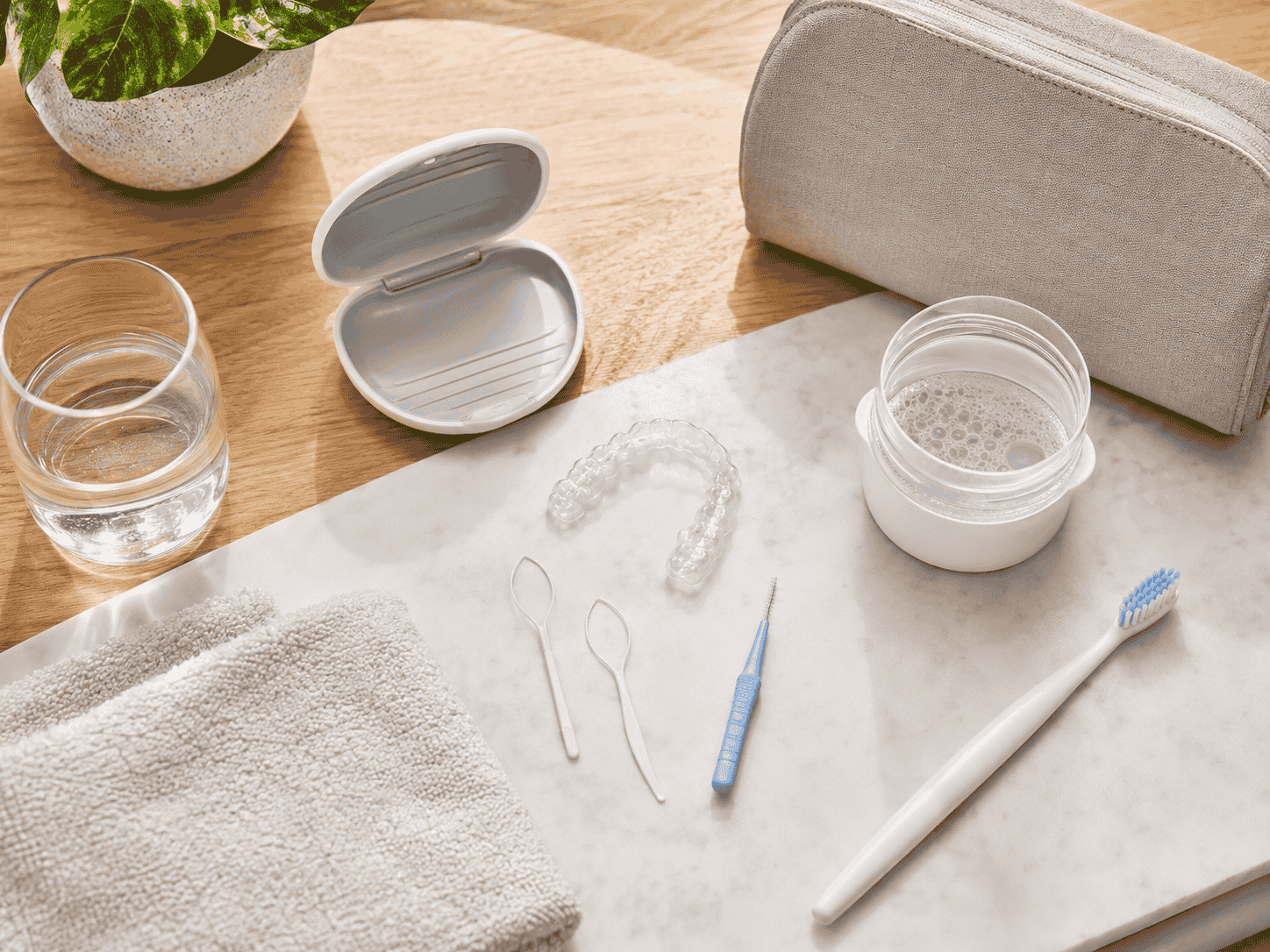
After every use, rinse your mouth guard with cool water and gently scrub it with a toothbrush and toothpaste. Store it in a ventilated case so air can circulate and moisture doesn’t accumulate. Keep it away from direct sunlight, hot cars, and hot water — heat warps the material and compromises the fit. And don’t share it. A mouth guard is personal protective equipment, not communal gear.
Replace your mouth guard at the start of every new sports season, or sooner if it shows visible damage or no longer fits snugly. If your braces have changed significantly since your last fitting, it’s worth checking with us before assuming the old guard still works.
FAQ
Q: Can I wear a regular mouth guard with braces?
A: Standard over-the-counter mouth guards aren’t designed to accommodate brackets and wires, which means they often leave gaps in protection or put uncomfortable pressure on your appliances. A custom mouth guard is built around your specific braces, so it fits properly and covers everything it needs to.
Q: How often should I replace my mouth guard?
A: Replace it at the start of each sports season, or sooner if it’s visibly damaged, cracked, or no longer fits correctly. Because your teeth move throughout orthodontic treatment, the fit can change — which is why we check it at your regular appointments.
Q: Will wearing a mouth guard slow down my orthodontic treatment?
A: No. A properly fitted mouth guard doesn’t interfere with your treatment. What can slow treatment down is a broken bracket or bent wire from a sports injury, which is exactly what a mouth guard prevents.
Q: Do all sports require a mouth guard if I have braces?
A: The AAO recommends mouth guards for any sport with a meaningful risk of impact — including basketball, soccer, football, lacrosse, wrestling, volleyball, gymnastics, and more. Even lower-contact sports carry some risk, and a mouth guard is always the safer choice.
Q: What does a custom mouth guard from Scaffidi Orthodontics cost?
A: Cost varies depending on your specific needs. We’re happy to discuss pricing at your appointment and will check your insurance coverage as part of the process. We also offer flexible payment options to make it work for your family’s budget.
Protect Your Smile Before It’s Too Late
A dental injury during sports doesn’t just hurt — it can set your orthodontic treatment back by weeks or even months, depending on the damage. A custom-fitted mouth guard is a small, practical measure that keeps you protected and keeps your treatment on track.
Student athletes at schools across New Orleans, including those competing at Ben Franklin High School and throughout the surrounding area, play hard every season. Dr. Scaffidi and our team want to make sure your smile comes out of it intact. Contact Scaffidi Orthodontics at (504) 468-6200 or schedule a free consultation online to get fitted for a mouth guard that works with your braces, your sport, and your schedule.